Valencia has an advantage few cities can claim: almost everything connects along the old Turia riverbed, now a nine-kilometre garden running right through the city. Rent a bike and ride it end to end, from the old town to the Ciutat de les Arts i les Ciències, which impresses even if you never buy a ticket. In the centre, the Lonja de la Seda and the Mercado Central are essential stops; get to the market before midday, when it is genuinely alive. For paella, escape the tourist centre: in El Palmar, beside the Albufera lagoon, you eat the real thing, and only at lunchtime, never for dinner. Try horchata with fartons at a traditional horchatería. If you come in March, the Fallas change everything: firecrackers, daily mascletàs and a city taken over by the fiesta; book your room far ahead or pick other dates if you want calm.
Best time to go
March to June and September-October
Recommended days
2 days
What to see in Valencia
The places genuinely worth your time, with the practical trick for each one.
Ciutat de les Arts i les Ciències
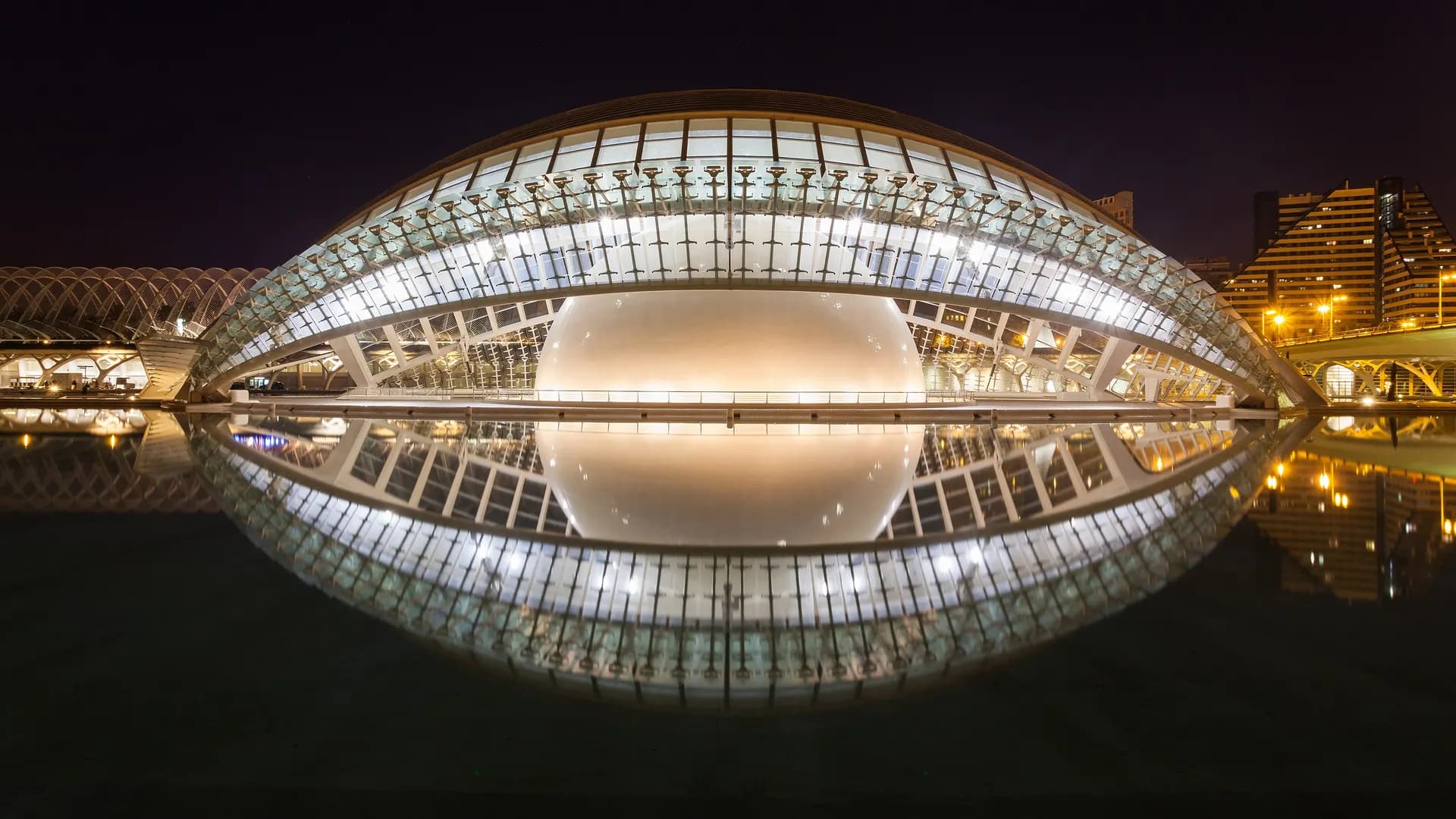
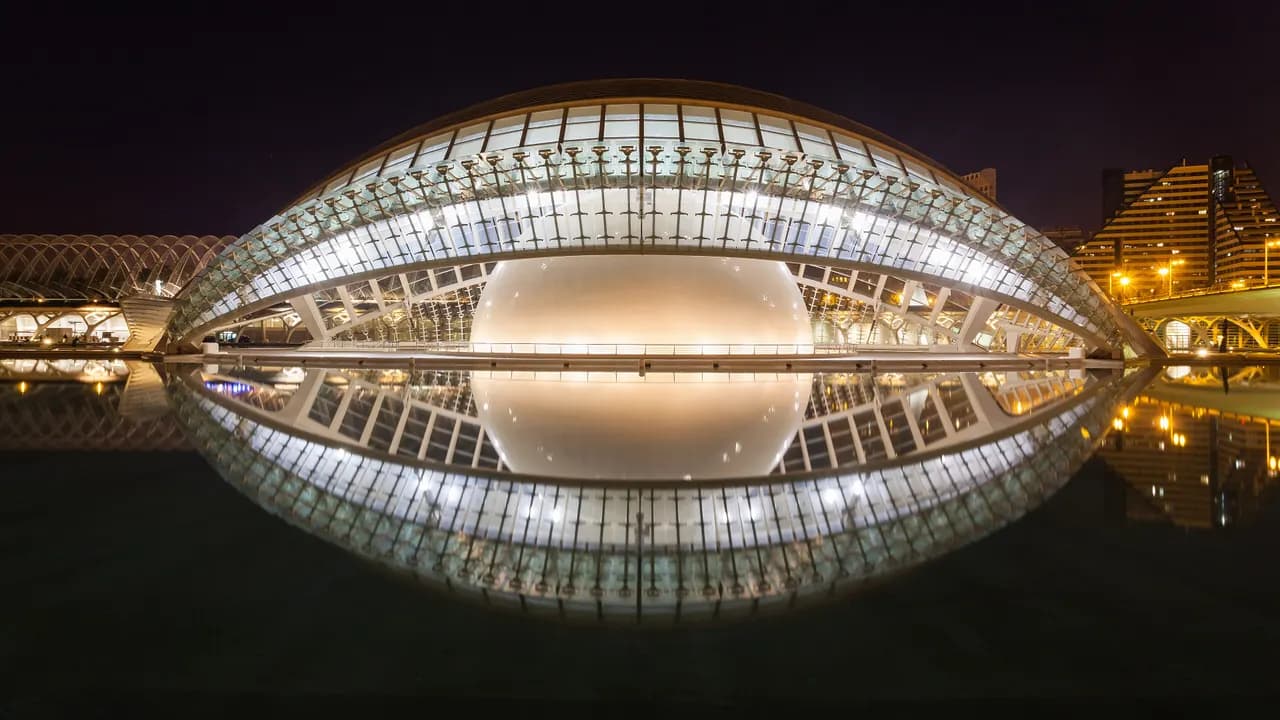
Calatrava's complex impresses from the outside and costs nothing to walk around, especially at dusk with the reflections in the pools. If you're going to buy a ticket for one thing, make it the Oceanogràfic; the Hemisfèric and the science museum land better with children than without.
The Turia gardens
Nine kilometres of park in the diverted riverbed, running right through the city. Rent a bike and ride it from the Bioparc to the Ciutat de les Arts: it's the best way to understand Valencia and to move around without a car or the metro.
The Mercado Central
Valencian modernism with over a thousand stalls under an iron and glass dome. Arrive before midday, while it's still alive and working; after one it starts packing up. Have a sandwich standing at a counter rather than eating on the terraces outside.
La Lonja de la Seda
A World Heritage site and the finest civil Gothic architecture in Europe, with those columns twisting like palm trees in the trading hall. It takes half an hour, costs very little and sits directly opposite the market: no excuse for skipping it.
The Carmen quarter
The old town with medieval towers, street art and bars that fill up from seven onwards. By day you see the monuments, by night the drinking. The Serranos and Quart towers mark the old city gates and can be climbed for very little.
El Cabanyal
The old fishermen's quarter, low houses with tiled façades that were nearly demolished and are now the most photogenic corner of the city. It backs onto the Malvarrosa beach and has the best places to eat rice without any posing.
The Albufera and El Palmar
The lagoon twenty minutes from the centre, where paella was born and where you eat the real thing. In El Palmar, lunchtime only and never for dinner. Afterwards, a boat ride across the Albufera at sunset, the best possible way to close a day in Valencia.
Malvarrosa and Patacona beaches
A wide, fine-sand city beach twenty minutes from the centre by tram, with a promenade and beach bars. It's no hidden cove, but few cities have something like this within reach. Patacona, slightly further north, is less crowded.
Horchata with fartons
Drunk in a traditional horchatería, very cold and with fartons for dipping. Alboraya is the home of the tiger nut and there are historic places in the centre. It's an afternoon snack, not a dessert, and in July's heat you understand why it exists.
2 days in Valencia: a sample itinerary
A realistic day-by-day plan, so you don't spend the trip rushing between sights.
Day 1
Old town
Mercado Central before midday and the Lonja directly opposite. Lunch around the Carmen and an afternoon between the Serranos and Quart towers, climbing one of them. Horchata with fartons as a snack and evening drinks in Ruzafa.
Day 2
Turia, Ciutat de les Arts and the sea
Cycle the Turia gardens to the Ciutat de les Arts, stopping at the Oceanogràfic if you fancy it. In the afternoon, Malvarrosa beach and the Cabanyal, or a boat on the Albufera to watch the sun set from the water.
Two days are enough for the old town, the Ciutat de les Arts and an afternoon at the beach or the Albufera. With three you can ride the whole Turia by bike, take the Cabanyal slowly and eat paella in El Palmar without rushing. It's a city that rewards a slower pace.
Where do you eat real paella in Valencia?
In El Palmar and the rice fields of the Albufera, or in the historic restaurants of the Cabanyal — not on central terraces with laminated photos by the door. Valencian paella has chicken, rabbit and beans, not seafood, and it's eaten at lunchtime only. Book at weekends.
What is the best time to visit Valencia?
March to June and September to October: kind temperatures, a warm sea in September and superb light. July and August are humid and sticky. March brings the Fallas, which are spectacular and also firecrackers day and night, high prices and a city at a standstill: go knowing that.
Is Valencia a good city for cycling?
One of the best in Spain. The Turia gardens work as a car-free cycling motorway crossing the city, and there are bike lanes across most of the centre. Between the public hire scheme and the rental shops you'll have a bike for a few euros a day and skip public transport entirely.
Where is the best place to stay in Valencia?
Ciutat Vella if you want everything on foot and don't mind the night-time noise in the Carmen. Ruzafa has the best bar and restaurant scene, ten minutes from the centre. El Cabanyal is the choice if you're here for the beach, full of character and good value, but further from the monuments.