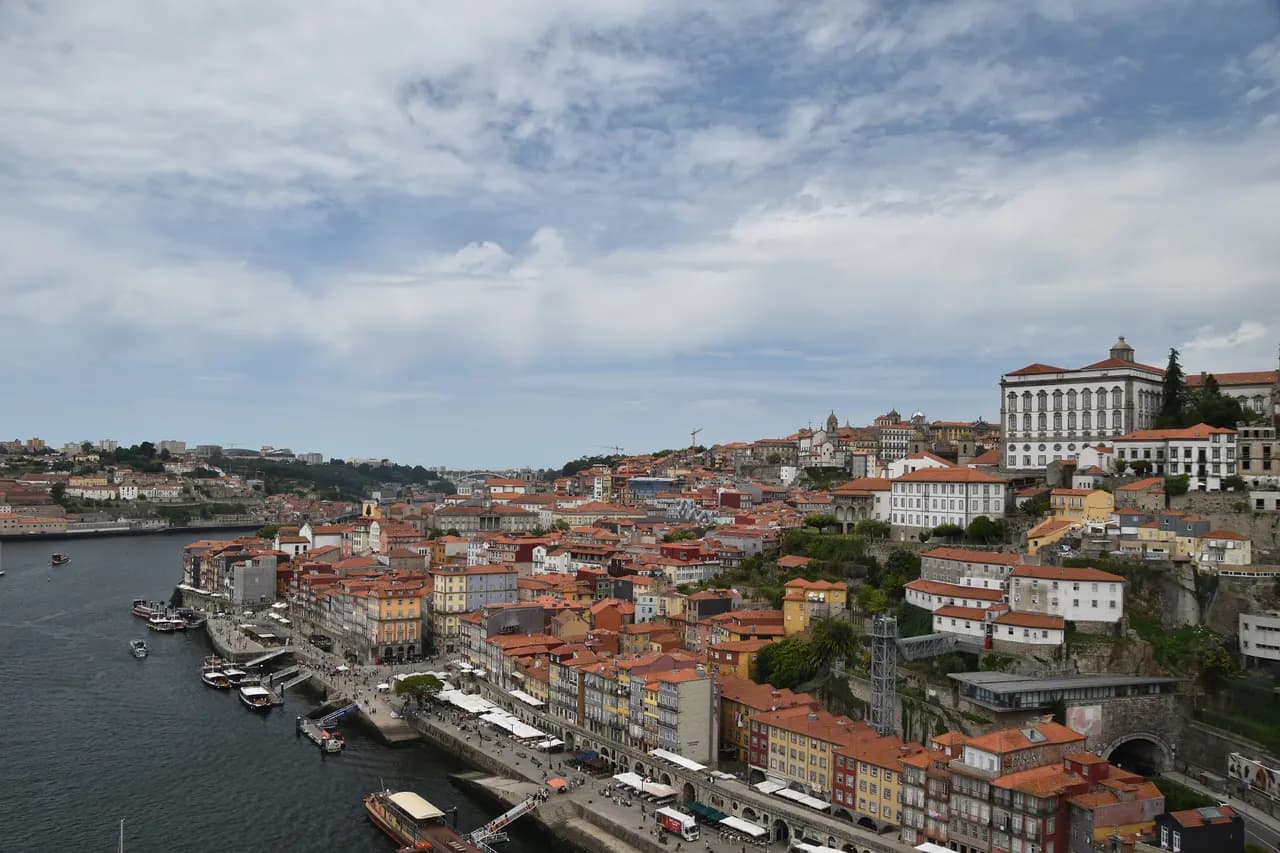
The Ribeira and the Douro
The riverfront of stacked houses is Porto's postcard, with its terraces and moored rabelo boats. By day it's crowded and pricey for lunch; it works better first thing or at dusk, when the lights come on across the river.
41.1579°N · 8.6291°W · Portugal
Porto is granite, river and steep streets, and you earn it on foot. The Ribeira is the postcard, true, but the good photo is taken from the far bank: cross the Dom Luís I bridge on the upper deck and walk down into Vila Nova de Gaia, home of the port wine lodges. Book a tour with a tasting at one of them; it is worth it even if sweet wine is not your thing. The metro links the airport to the centre for very little money, so skip the taxi. If you want to see the Livraria Lello bookshop, buy the voucher online and go first thing, because the queues are serious. Eat a francesinha once (one is enough) and balance it later with grilled fish in Matosinhos. Pack something waterproof even in summer: it rains here without warning. From May to September the city is at its best, the Douro terraces full of life.
The places genuinely worth your time, with the practical trick for each one.
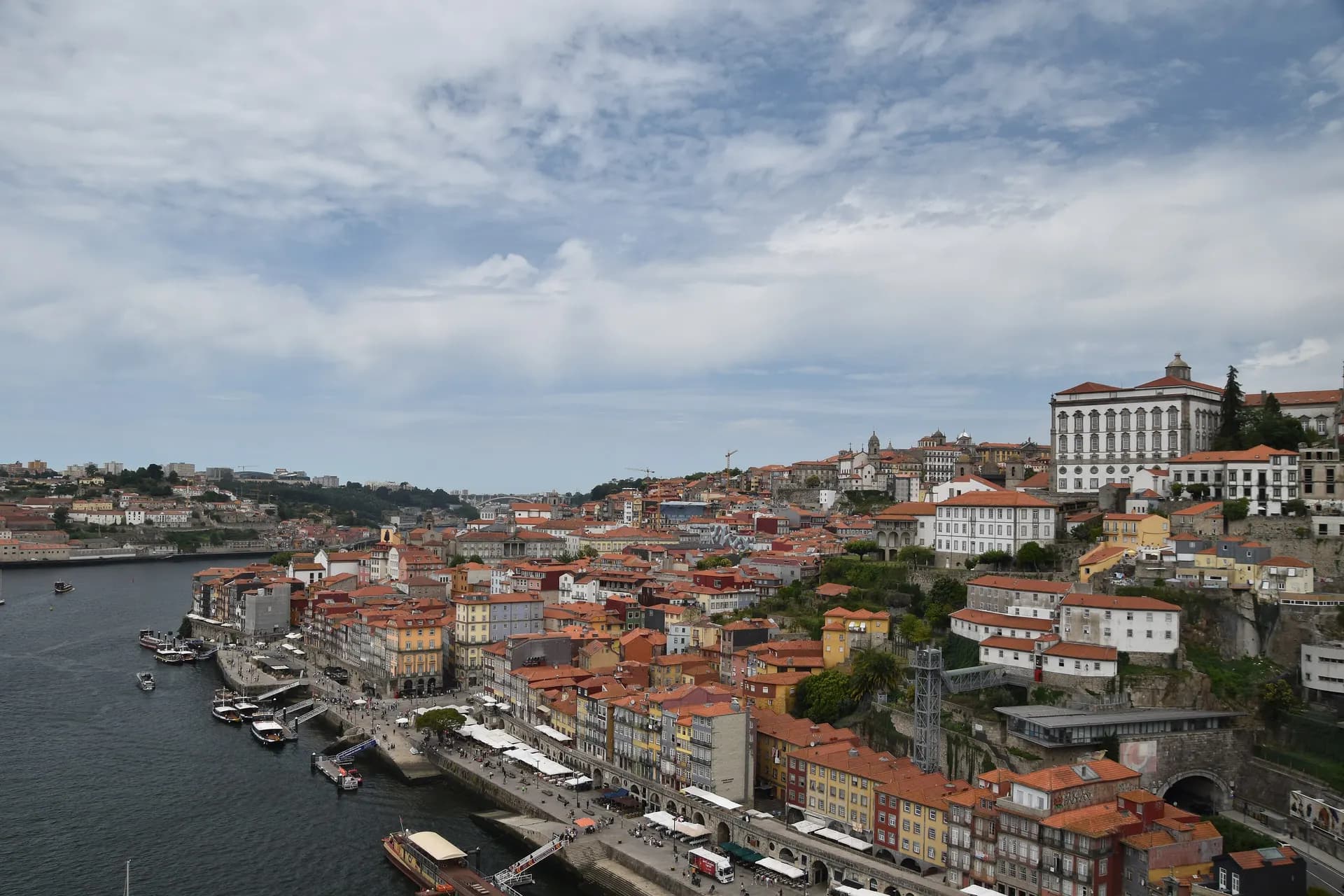
The riverfront of stacked houses is Porto's postcard, with its terraces and moored rabelo boats. By day it's crowded and pricey for lunch; it works better first thing or at dusk, when the lights come on across the river.
Cross on the upper deck, the metro one, not underneath: the view of the city from up there is the best moment of the trip and costs nothing. You reach it from the Sé and come out at the Jardim do Morro in Gaia, exactly where you want to be at sunset.
All the port wine lodges sit across the river, and visiting one with a tasting is worth it even if sweet wine isn't your thing. Book ahead: the good ones fill up. The big houses put on more of a show, the small ones explain the winemaking better.
The red staircase is pure Instagram and the queue can reach an hour. Buy the voucher online, arrive at opening and remember it's deducted if you buy a book. If the queue puts you off, Bertrand in the Baixa is far calmer.
Twenty thousand tiles telling the history of Portugal in the hall of a working railway station. It's free, it takes five minutes and it's one of the loveliest things in the city. Go early if you want a photo without twenty people in it.
Two hundred-odd narrow steps to the best 360-degree view of the centre. Buy the ticket online to skip the line and climb late in the afternoon. The baroque church below is included in the same ticket.
Renovated and brought back to life, with fish, fruit and flower stalls over two floors. Go on a weekday morning, when it's genuinely working. A good place to try bacalhau and serra cheese, and to buy decent tinned fish instead of souvenirs.
Twenty minutes by metro, the grilled fish district. This is where locals go when they want good fish with no fuss: you pick the piece and they grill it on the street. Pair it with a walk along the beach afterwards.
Where the river meets the Atlantic, with a promenade, a lighthouse and serious sunsets. Get there on tram 1, which runs along the water from the Ribeira and is a ride worth taking in itself. Bring a layer: the wind blows even in August.
A realistic day-by-day plan, so you don't spend the trip rushing between sights.
Lello at opening with your voucher already bought, São Bento and its tiles, then up the Torre dos Clérigos. Lunch around the Baixa and an afternoon walking down towards the Sé and the Ribeira to watch the light fall over the river.
Cross the bridge on the upper deck in mid-morning. A lodge tour with tasting, lunch on the Gaia quay and an afternoon at the Jardim do Morro. Head back at sunset with the lit city facing you.
Mercado do Bolhão in the morning, then tram 1 out to Foz along the river. A walk by the lighthouse, and grilled fish for lunch or dinner in Matosinhos before the metro back.
Three days is the right measure: one for the old town, one for Gaia and the lodges, and a third for Foz or Matosinhos without rushing. With four you can add a trip to the Douro valley, where the wine is actually made and which deserves a full day.
Yes, even if you don't drink sweet wine: the tour explains the city's history well and the tastings include white and tawny, not just the sweet ruby people expect. Book online. The big houses run more spectacular tours; the small ones are more personal and cheaper.
May to September, with the Douro terraces at their best and mild temperatures. June brings São João, the liveliest night of the year. But it rains all year round and without warning, so pack a waterproof even in high summer.
It's one of the most affordable destinations in western Europe. You eat well for 10-15 euros, the metro from the airport costs a few euros, and many of the best things —the bridges, São Bento, the viewpoints— are free. What has gone up is accommodation in the historic centre.
The Baixa and around the Clérigos keep everything walkable and well connected by metro. Cedofeita and Bonfim feel more like real neighbourhoods, cheaper and with good restaurants. Gaia gives you the city skyline opposite, at the price of crossing the bridge every time you go out.
Build your Porto itinerary in Pineo, add your own places and share it with whoever travels with you.
Cookies, kept to a minimum
We only use the cookies Pineo needs to work. Our analytics is self-hosted, anonymous and cookie-free — we still prefer to ask you. Cookie policy